Plain talk on building and development
Test Img - Chico2.png

Blog: Plain Talk

Plain talk on building and development.

Who says you can't get financing for a small mixed use building???!!

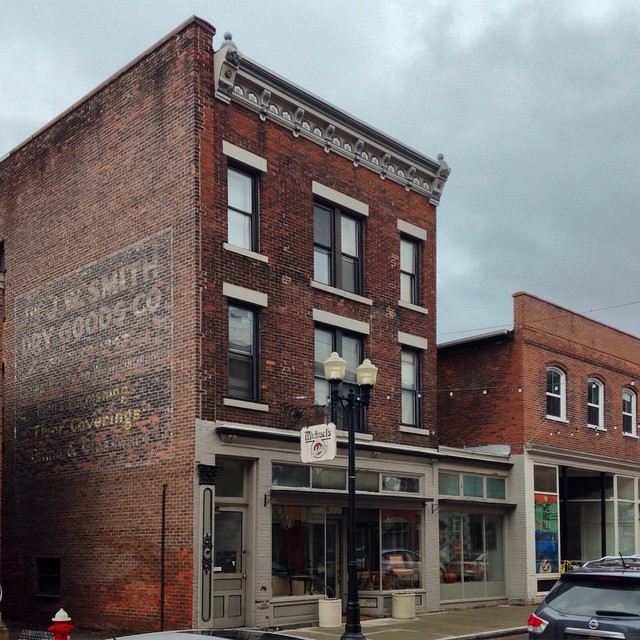
3story mixed use 203K diagram Small Mixed Use Building in Geneva, NY.  Photo by Mike Puma

The typical 2 and 3 story main street mixed use building is perfect for a rookie developer to use the FHA 203K purchase rehab loan program to finance their first project.  Understand the Loan program and fill out the forms carefully, design your rehab to fit the rules. Now from the start, understand that this loan program is for owner occupants.  You would have to live in the building for a minimum of one year.

HUD GUIDELINES FOR FHA 203(K)

The program is for 4 units plus some amount of  allowed non-residential space which varies with the number of stories in the building.  Here is the breakdown from the FHA Guidelines:

“A 203(k) mortgage may be originated on a “mixed use” residential property provided that the percentage floor area used for commercial purposes follows these standards:

– One story building 25%

– Two story building 49%

– Three story building 33%

The commercial use will not affect the health and safety of the occupants of the residential property."

The rehabilitation funds will only be used for the residential functions of the dwelling and areas used to access the residential part of the property.”  So you can stabilize the shell of the entire building including the non-residential portion, but you will need other funds to renovate the non-residential space.

If the building was built after 1991 the Federal Fair Housing Act applies.  In those newer buildings above the  4 units or  threshold for buildings covered by the Fair Housing Act requirement that all ground floor units must be accessible/adaptable, here’s what you do to rehab a small mixed use building using an FHA 203)k) loan:

  • ALTERNATIVE 1: KEEP THE NUMBER OF RESIDENTIAL UNITS TO 3 OR LESS AND THE SF OF NON-RESIDENTIAL FLOOR AREA WITHIN THE PERCENTAGES LISTED ABOVE.
  • ALTERNATIVE 2: CARVE OUT AN ACCESSIBLE UNIT AT THE REAR OF THE GROUND FLOOR WITH THREE UNITS ON THE UPPER STORIES.

This is not some exotic loan program.  It is a fixer-upper loan on a 1 to 4 unit dwelling that is conveted to a 30 year mortgage once the renovation is completed.  If you pay attention to the particulars of the loan program, you can use it to fix a main street mixed use building and be in a position to live in one of the units rent free.  Four or five local folks doing this within a couple blocks of each other could change the main street.  Seriously worth pursuing for a lot of towns.

A number of colleagues whom I respect have made a point to telling me that the process of getting a 203(k) loan to actually CLOSE can be really tough.  There are enough specific underwriting requirements that are different enough from more typical loans which lenders process that closings get delayed, or the lender withdraws their commitment.  So finding a bank that actually has their act together on this program is important.  Wells Fargo has invested in training their people on this, so start with them.

The extra brain damage involved in the loan is why I think the 203k program is an excellent vehicle for the rookie developer looking to step up their game. It requires that the project scope be well thought out and well documented. It requires the rookie developer to understand the lender’s underwriting way more than the average mortgage borrower would. (-and possibly the more than the loan officer does..) It requires a long due diligence period from the seller. In short, the process is hard wired to require the rookie developer to have an excellent plan and seek help from their colleagues to launch their first significant solo project. It puts the rookie developer squarely in the position of adding value by creating order out of relative chaos. That ‘s the job.

Working with grad students for a week has me thinking about the basics

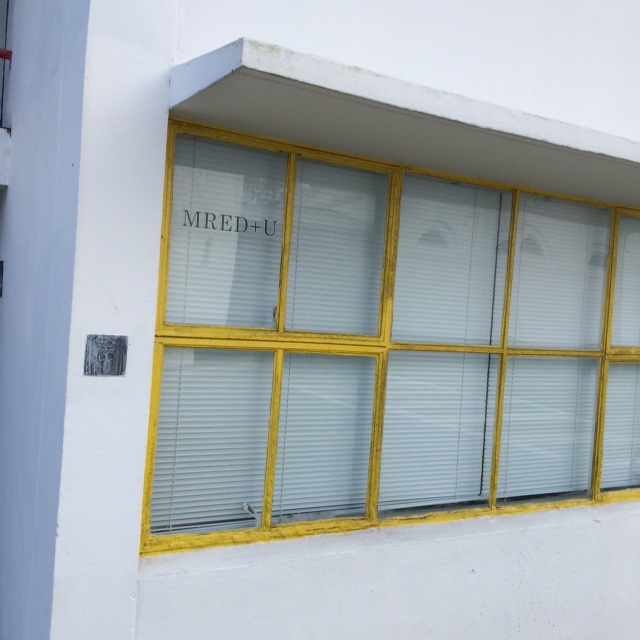
IMG_1077 (1) I spent the last week working with 14 teams of grad students in the University of Miami's Masters in Real Estate Development + Urbanism program (MRED+U). Each of these teams of 4-5 people have been assigned an infill parcel in the Allapattah Neighborhood of Miami.  Their packet included a purchase price and the basic zoning information under the current Form-Based-Code Miami 21.  The team were typically a mix of  MBA candidates taking the class as an elective and students enrolled in the MRED+U program who are required to take the class.  Many of the MRED+U students come from urban design or Architecture.

Here's what I found myself explaining in various ways:

  • Likely Rent is your first constraint.  Know what your tenants can afford to pay in rent.  If you can't get the rent needed to support an expensive building, see if you can build a less expensive building.
  • If you are building a small project, look at the broad market for the neighborhood, but target staff from local institutions like the hospital and the airport.
  • Understand how design impacts construction cost.  Know how the building code, the zoning code and the Fair Housing Act impacts the cost and complexity of basic building types.
  • Form follows parking (especially in small infill projects). Figure out the most efficient parking approach early in your design and pro forma process.  The zoning may allow up to 5 stories, but may also require so much off-street parking that you don't have room to park the number of cars required by the number of units that you would build in the 5 story building.
  • If you can't figure out what to build, try two very different designs to force you to weigh the trade offs in cost and revenue.  Keep them at the same level of detail to help you see the differences.

Watching bright and engaged people trying to figure out how to do something for the first time is very compelling.

Developer in Residence? Exploring three infill scenarios with grad students

The cool building by Leon Krier The slightly less cool building that houses the MRED+U program...

It might be a strain to imagine me in an academic setting, but here I am at the University of Miami's Masters program in Real Estate Development + Urbanism (MRED+U).  Dr. Charles Bohl runs the program and has something called the Developer in Residence.  They invite a developer to give a couple lectures and work with the MRED+U students. This year Chuck invited me.

This evening I am scheduled to explain the one page static pro forma we use in the Small Developer Boot Camp to folks taking a graduate level real estate finance class in a building designed by one of my heros; Leon Krier.  I am finding that part of the gig quite wonderful (and a bit intimidating).

Earlier today I was working with small teams of students who are charged with putting together theoretical infill projects on parcels they have been assigned in several Miami neighborhoods.  They all had questions similar to what we hear from Boot Camp participants.  Where do you start? -the buildings? the parking? the zoning?  How can we estimate what construction is going to cost? Should we build the maximum we can under the zoning?  Should we build structured parking?

My advice was to set up three scenarios, the first should be an as-is reality check to use as a baseline.

  1. Figure out what the rents would need to be to support the purchase of the existing building and parking lot at the price Dr. Bohl has assigned to the property.
  2. Add some buildings to the parking lot and spending some money to improve the existing building.
  3. Scrape the site. Demolish the existing buildings and build something close to the maximum the zoning would allow.

Sorting out the first scenario helps you understand how the existing building with existing or similar tenants makes money.  The second is an incremental approach to adding value without creating a really expensive site that needs to be maximized to justify tearing down a building (regardless of how crappy it might appear.  The third shows you what the maximum you could build under the local rules could be.  It also leads you to consider if the market would support that much building program and that much hard and soft construction cost.  Lay out quick site plans for each of the three scenarios.  Annotate them with your assumptions on square footage, residential unit configurations and unit count, and then use your quick and dirty site studies to build three parallel static pro formas.

This promises to be a very interesting week.  I will do my best to capture some of it here.